Reviewed · PRIVATE
Exploring Shrines, Mosques, and Holy Landmarks Private Tour
The most striking part of this private tour is its range. In one day, you move from busy Amman mosques to quiet shrines and the ancient Cave of the Seven Sleepers, following stories shared across Islamic and Biblical tradition. I like the chance to see a side of Jordan that sits beyond the usual Roman ruins and desert sights.
I also like the private format and the flexibility it can bring. Guides and drivers named in the service include Anas, Moe, Mohamed, Yousef, and Mumen, and the strongest praise centers on punctuality, clean cars, patience, and clear explanations. The main drawback is distance: eight stops in 6 to 7 hours can make the day feel full, and admission charges are not always covered.
In This Review
- Key points to know before you book
- Why this tour offers a different view of Jordan
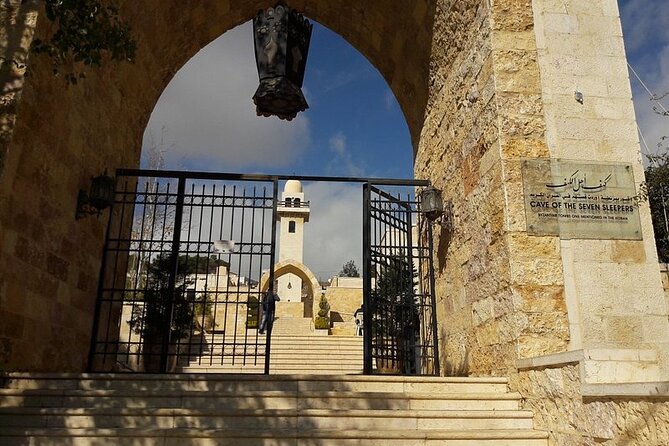
- The Seven Sleepers Cave sets the tone
- Abu Darwish Mosque brings you back to Amman
- King Abdullah Mosque shows Jordan’s national scale
- Grand Husseini Mosque sits in the heart of downtown
- The Blessed Tree adds a quiet, symbolic pause
- Bilal bin Rabah’s shrine honors a key early Muslim figure
- Prophet Shuaib’s shrine links Islamic and Biblical tradition
- Prophet Joshua’s shrine reaches toward Karak
- Private transport matters on a full day
- Is $62 a fair price?
- Who should book this experience?
- Should you book the Islamic Heritage Tour?
- FAQ
- How long does the Islamic Heritage Tour last?
- Is hotel pickup included?
- Is this a private tour?
- What transportation is provided?
- Is an English-speaking guide or driver provided?
- Are admission tickets included?
- Can I cancel for a full refund?
Key points to know before you book
- Eight religious and historic stops: Visit the Seven Sleepers Cave, three major Amman mosques, the Blessed Tree, and three shrines.
- Private hotel pickup: Your group travels in an air-conditioned vehicle with WiFi and bottled water.
- A guide-led cultural day: An English-speaking driver provides transport and information at each stop.
- The schedule is ambitious: Individual visits range from 30 minutes to one hour, with driving time between sites.
- Admission costs vary: Some stops are listed as free, while others may require payment unless your Jordan Pass covers them.
- Best for spiritually curious visitors: This suits you if sacred places and Islamic heritage matter as much as classic sightseeing.
Why this tour offers a different view of Jordan
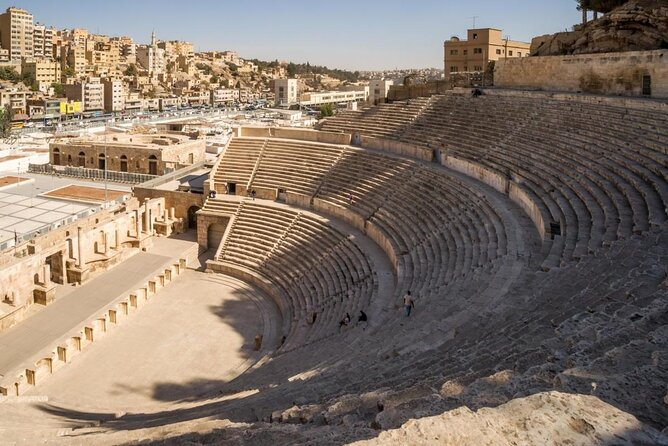
Most first visits to Amman focus on the Citadel, Roman Theater, markets, and food. Those sights deserve their place, but this tour takes you into another part of the country’s identity. You spend the day learning how Islamic tradition connects people, places, prophets, and early figures of the faith.
The tour is not simply a mosque-hopping exercise. The Cave of the Seven Sleepers brings in a story of persecution and divine protection. The Blessed Tree connects local tradition with the life of the Prophet Muhammad. The shrines of Bilal bin Rabah, Shuaib, and Joshua bin Nun offer different windows into faith, leadership, endurance, and prayer.
I like this kind of itinerary because it gives you subjects to think about rather than a string of photo stops. At the same time, you should know that sacred sites are not entertainment venues. Some are active places of worship, and the mood can be quiet and solemn.
The private setup helps here. You are not tied to the pace of a large group, and the driver can explain the route in a more personal way. Feedback connected with the service repeatedly praises drivers for being kind, patient, punctual, and willing to share information. Moe, in particular, is described as a friendly and careful driver, while Anas is praised for strong Islamic knowledge and professional timing.
A few more Amman trips to weigh up
- From Amman: Petra & Wadi Rum Private or group Day Tour
★ 4.9 · 750 reviews - 3-Day Private Tour from Amman: Petra, Wadi Rum, Dana, Aqaba, and Dead Sea
★ 5.0 · 425 reviews - Petra Full-Day Private Tour from Amman
★ 4.9 · 392 reviews
The Seven Sleepers Cave sets the tone
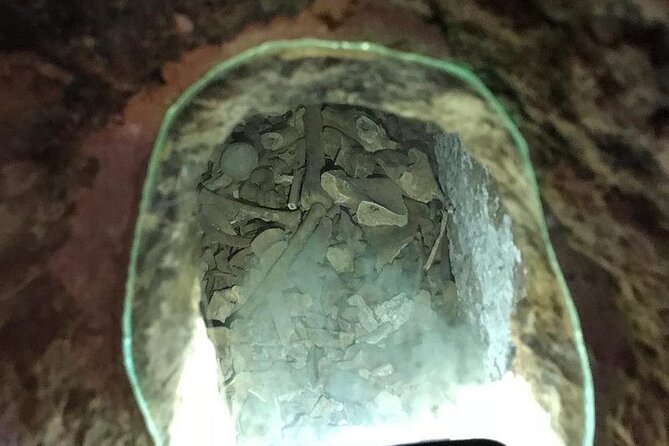
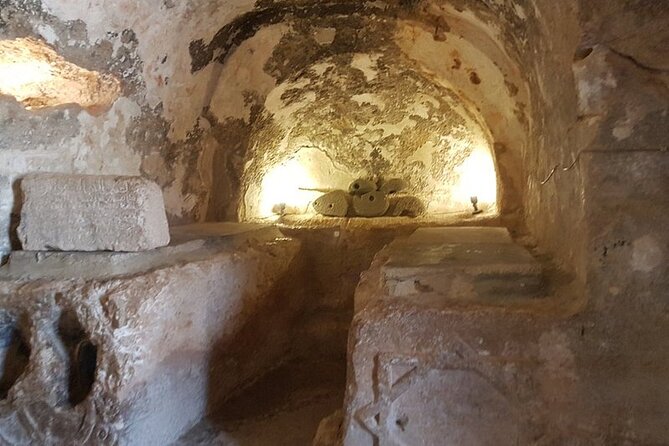
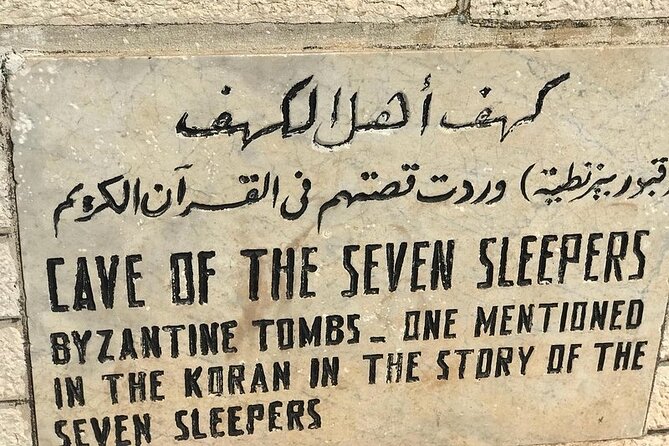
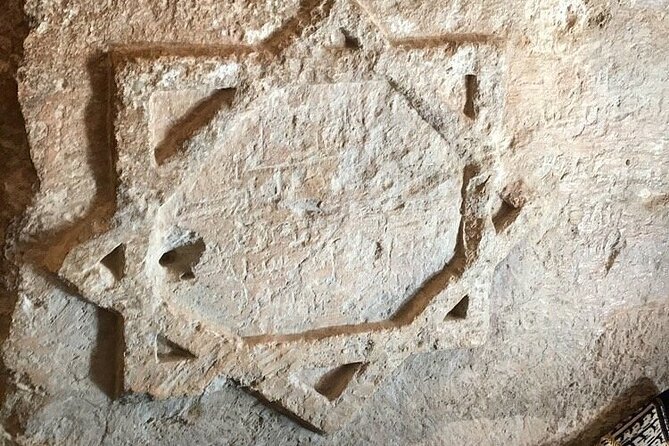
The Cave of the Seven Sleepers is a natural starting point for the spiritual side of the day. The site is linked to a group of young men who sought shelter from persecution and were believed to sleep for centuries under divine protection.
You have about an hour here, which is longer than at most of the shrines. That gives you time to look at the cave or its remains, read the historical markers and displays, and consider how the story has lasted across generations.
This is not a polished museum experience. Its appeal comes from the story and the setting. You may find the visit more meaningful if you arrive with a little patience and let the guide explain the religious importance rather than expecting a large collection of objects.
The stop is listed with free admission. It is one of the clearest value points in the day, since you get a full hour at an important site without an extra ticket charge.
Abu Darwish Mosque brings you back to Amman
The Abu Darwish Mosque offers a very different experience. Located in the Jabal Amman area, it is known for its blue dome, geometric decoration, and views across the city.
The visit lasts about 30 minutes. That is enough time to appreciate the exterior, take in the setting, and, if access is available, pause inside the prayer hall. The interior is described with chandeliers, carpets, and Quranic inscriptions, giving the mosque a more decorative feel than the simpler shrines later in the day.
I like this stop because it connects religious architecture with Amman’s urban character. You are not looking at a monument in isolation. The mosque sits above the city, so the visit also gives you a sense of how Amman spreads across its hills.
The mosque is listed as free to visit. As with any active religious site, access can depend on prayer activity or local arrangements, so your experience may focus more on the building and surroundings than on a long interior visit.
King Abdullah Mosque shows Jordan’s national scale
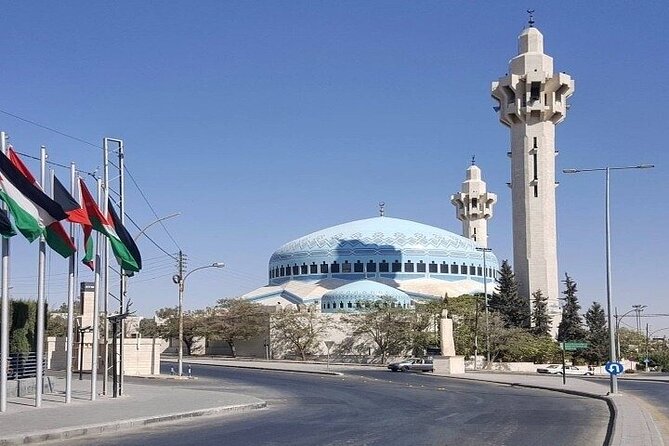
The King Abdullah Mosque, also called Al-Masjid Al-Malik Abdullah I, is one of the larger and more formal stops. It honors the late King Abdullah I and combines traditional Islamic features with a more modern architectural style.
You have about an hour here. The dome, minaret, spacious prayer hall, chandeliers, carpets, and Quranic inscriptions give you plenty to see, while the mosque’s role in Quranic studies and community programs adds a civic side to the visit.
This stop works well for you if architecture matters. The building is not only a place for prayer. It also reflects the public and educational role of a major mosque in Jordan.
Admission is listed as not included. The tour notes that anyone without the Jordan Pass must pay on site. Since ticket arrangements can vary by attraction, ask your provider before departure which entry fees apply to your booking and whether your pass is accepted at each location.
Same desert, a completely different kind of day:
- Amman: Petra, Wadi Rum, and Dead Sea 2-Day Tour
★ 4.9 · 1,173 reviews - 2-Day Tour: Petra, Wadi Rum, and Dead Sea from Amman
★ 5.0 · 1,141 reviews - From Amman: Petra and Wadi rum Full day Tour
★ 5.0 · 538 reviews - 2-Day Petra, Wadi Rum and Dead Sea Tour from Amman
★ 5.0 · 467 reviews
Grand Husseini Mosque sits in the heart of downtown
The Grand Husseini Mosque gives you a look at a central religious landmark in downtown Amman. Its decoration includes geometric patterns and ornate calligraphy, while the prayer hall contains chandeliers and other decorative details.
The planned visit is about 30 minutes. That short stop makes sense for a mosque in an active city center, where the value lies in seeing the building, understanding its place in Amman, and noticing how worship continues amid daily city life.
This is one of the places where timing matters. Prayer activity or special events could affect access, and a 30-minute visit does not leave much room for a long explanation. I would treat it as a focused architectural and cultural stop rather than expect a full guided program.
Admission is not included. Keep a little cash available for site costs, even if some visits turn out to be free.
The Blessed Tree adds a quiet, symbolic pause
The Tree of Al Buqayawiyya, known as the Blessed Tree, is one of the more unusual stops. Local tradition connects this old tree with the Prophet Muhammad, and the site is treated as a place of prayer, blessing, and reflection.
You have about an hour here. That is generous for a site centered on a single tree, but the extra time allows the guide to explain its place in local tradition and gives you room to take in the quiet surroundings.
I like this stop because it shows how sacred meaning can gather around a natural feature. You are not visiting a grand building or a decorated shrine. Instead, the experience depends on the story attached to the tree and the respect people show toward it.
Admission is not included. The site may appeal most to you if you enjoy cultural traditions and religious stories, though it may feel less satisfying if you prefer formal monuments with extensive displays.
Bilal bin Rabah’s shrine honors a key early Muslim figure
The Shrine of Bilal bin Rabah is dedicated to the first muezzin of Islam, the person remembered for calling the faithful to prayer. Bilal is honored for his strong faith and service to the Prophet Muhammad, making this a particularly meaningful stop for visitors interested in early Islamic history.
The visit takes about 30 minutes. Expect a short, reflective stop rather than a large attraction with many exhibits. The importance is in the person being honored and the atmosphere of the shrine.
I would listen closely to the guide here. A good explanation can make a brief visit much more rewarding, especially if you are not already familiar with Bilal’s story. Anas has been specifically associated with detailed explanations of the Islamic importance of the sites, although the assigned driver may differ.
Admission is listed as not included. Plan for the possibility of an on-site charge.
Prophet Shuaib’s shrine links Islamic and Biblical tradition
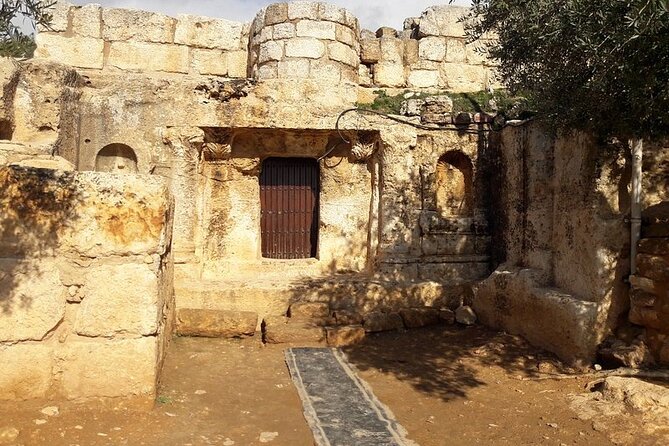
The Mosque and Shrine of Prophet Shuaib, also known as Jethro in Biblical tradition, is located near Madaba. The site honors a prophet recognized in both Islamic and Biblical traditions, giving the stop a broader religious context than a visit limited to one faith tradition.
The mosque is described as simple in design, and you have about 30 minutes to visit the site, pay respects, and learn about Shuaib’s guidance and wisdom.
This stop is valuable because it shows how sacred figures can cross cultural and religious boundaries. You do not need to share the same beliefs to understand why the place matters. A respectful attitude and a willingness to listen will serve you well.
As with the other shrines, admission is not included. The listed visit time is brief, so any extended prayer or personal reflection will need to fit within the schedule.
Prophet Joshua’s shrine reaches toward Karak
The Mosque and Shrine of Prophet Joshua bin Nun is associated with Joshua, known in Islamic and Biblical tradition for leading the Israelites into the Promised Land. The shrine is described as being near Karak and offers another quiet place for worship and reflection.
You have about 30 minutes here. The mosque’s architecture is simple, and the main appeal is the spiritual and historical connection rather than elaborate decoration.
This is the stop that makes the day feel like more than an Amman city tour. You move beyond the capital to sites connected with prophets and religious memory across Jordan. The tradeoff is time. An itinerary that includes locations near Madaba and Karak requires substantial driving, so you should expect the vehicle time to be part of the experience.
Admission is not included. If your main goal is an unhurried visit to each shrine, ask how the route is arranged before booking, since eight stops in one day leave little spare time.
Private transport matters on a full day
The tour lasts approximately 6 to 7 hours and includes hotel pickup, private transportation, an air-conditioned vehicle, onboard WiFi, bottled water, and an English-speaking driver. These are practical advantages, not just marketing extras.
A private car saves you from sorting out separate transport to scattered sites. It also gives your group a place to rest between visits. The vehicle becomes especially important because the schedule includes Amman, the area near Madaba, and a shrine near Karak.
The service has been associated with drivers including Moe, Mohamed, Yousef, and Mumen. You should not assume you will receive a particular person unless the company confirms it, but the service places clear emphasis on English communication and personal care. Mohamed has been praised for patience with children and flexibility, while Moe is described as both a careful driver and an easy conversational companion.
This is a private activity, so only your group participates. That is useful for couples, families, or small groups who want to ask questions without holding up strangers. Group discounts are also available, which can improve the per-person value when several people share the vehicle.
Is $62 a fair price?
At $62 per person, the tour is fairly priced if you want private transport and several religious sites in one day. You are paying not only for entry to attractions, but also for hotel pickup, the vehicle, the driver, bottled water, and the convenience of joining a planned route.
The value improves for a group. Because the activity is private and group discounts are offered, larger parties may pay less per person than they would for separate taxis or several individually arranged excursions.
The price does not cover food, drinks, tips, or anything not listed in the included services. Some admission fees are also excluded. Anyone without the Jordan Pass must pay on site, so check those costs before you compare the tour with other options.
I would not choose this experience based on ticket savings alone. I would choose it because it puts a complicated route into one manageable day and gives you access to an English-speaking driver who can add context along the way.
Who should book this experience?
I recommend it most strongly if you have a serious interest in Islamic heritage, prophetic traditions, religious architecture, or the quieter side of Jordan. It also suits you if you have limited time and want to cover several scattered sites without arranging each transfer yourself.
Families can benefit from the private format, especially since the driver can be more patient with breaks and questions. Couples may appreciate the calm pace and chance to visit reflective places together.
I would think twice if your ideal day includes long meals, shopping, or extended time at every site. The route is full, and several visits last only 30 minutes. You should also be comfortable with a day shaped around mosques, shrines, and religious stories rather than Jordan’s more famous archaeological attractions.
Book at least a few weeks ahead if possible. The experience averages booking about 32 days in advance, which suggests that leaving it until the last minute may limit your choices.
Free cancellation is available up to 24 hours before the start time. Changes or cancellations made inside that window are not accepted for a refund.
Should you book the Islamic Heritage Tour?
Book it if you want a thoughtful, faith-centered day with private transport and a wide route through Amman and nearby parts of Jordan. The strongest reasons are the variety of sites, the chance to hear explanations from an English-speaking driver, and the ease of moving between places that would be awkward to connect on your own.
Skip it if you want a relaxed sightseeing day with long stops or if mosques and shrines are not a main interest. For the right visitor, $62 offers a practical way to reach the Seven Sleepers Cave, the Blessed Tree, major Amman mosques, and three prophetic shrines in one organized outing.
FAQ
How long does the Islamic Heritage Tour last?
The tour lasts approximately 6 to 7 hours, including visits to eight sites and the driving time between them.
Is hotel pickup included?
Yes. Hotel pickup is included as part of the private transportation service.
Is this a private tour?
Yes. Only your group participates in the activity.
What transportation is provided?
You receive private transportation in an air-conditioned vehicle with onboard WiFi. Bottled water is also included.
Is an English-speaking guide or driver provided?
An English-speaking driver is included. The service has used drivers and guides including Anas, Moe, Mohamed, Yousef, and Mumen, but you should confirm who will be assigned to your booking.
Are admission tickets included?
Admission is listed as free at the Cave of the Seven Sleepers and Abu Darwish Mosque. Admission is not included at King Abdullah Mosque, Grand Husseini Mosque, the Blessed Tree, Bilal bin Rabah Shrine, Prophet Shuaib’s Shrine, or Prophet Joshua’s Shrine. Anyone without the Jordan Pass must pay on site.
Can I cancel for a full refund?
Yes, if you cancel at least 24 hours before the experience begins. Cancellations or changes made less than 24 hours before the start time are not eligible for a refund.
Just added around Amman
- From Amman :Private full day tour to Jerash ,Ajoune and Um Qais★ 5.0 · 12 reviews
- Queen Alia Airport Transfers From / To Amman, Petra, Dead Sea.★ 5.0 · 3 reviews
- 2-Day Private Tour in Jordan – Deluxe Tent★ 5.0 · 9 reviews
- airport pick up & transportations Services★ 5.0 · 15 reviews
- From Amman to West ( Madaba, Mt Nebo, baptism site and dead sea)★ 4.0 · 5 reviews
- Dead Sea Half-Day Tour from Amman★ 5.0 · 8 reviews
- Umm Qais, Ajloun and Jerash Full-Day Tour from Amman★ 5.0 · 4 reviews
- FROM AMMAN | Petra & Wadi Rum in one day | The Jordanian Mappers★ 5.0 · 12 reviews
Private, compared.
3-Day Private Tour from Amman: Petra, Wadi Rum, Dana, Aqaba, and Dead Sea
Read our review →
Petra & Wadi Rum: Full Day Private Tour with Hotel Pickup
Read our review →
Private Red Sea Diving for Beginner or Experienced
Read our review →
Dead Sea, Nebo, Madaba & Baptism Site Private or Group Tour
Read our review →