
Reviewed · WALKING TOURS
Private Walking Tour in Amman With Local
Amman’s best introduction may be found at street level, among spice shops, fruit stalls, old cafés, and traders calling out from the souqs. This private walk puts you in the middle of downtown life, then connects it with landmarks such as the Grand Husseini Mosque, Duke’s Diwan, the Roman Theater, and the Citadel.
I like the private format, since you can ask direct questions and shape the conversation around food, religion, shopping, or Jordanian customs. I also like the food stops, especially the kunafa at Habibah Sweets and the chance to see where local residents buy produce and spices.
The main catch is simple: this is much more a market and culture walk than an archaeology tour. You pass the Roman Theater, Nymphaeum, and Citadel, but you do not enter them, and several people have found the $49 price high for a two-hour experience focused mainly on shopping streets.
In This Review
- Key things to know before booking
- What this Amman walk is really about
- Starting at the Grand Husseini Mosque
- Duke’s Diwan and a quieter piece of Amman
- Al Balad’s produce market in everyday motion
- Kunafa at Habibah Sweets
- Basman Street’s shops and small discoveries
- The Roman Theater, Nymphaeum, and Citadel from street level
- Jabal al Lweibdeh and the limits of the route
- The guides and the private-tour advantage
- Is $49 per person a fair price?
- Timing, footwear, and practical expectations
- Who should book this Amman walking tour?
- Should you book it?
- FAQ
- How long does the private walking tour in Amman last?
- Where does the tour begin?
- Where does the tour end?
- Are the Amman Citadel and Roman Theater included?
- Is food included?
- Is this a private tour?
- What happens if I cancel?
Key things to know before booking
- Downtown markets lead the tour: Expect souqs, produce stalls, spice shops, perfume sellers, clothing stores, and souvenir stalls.
- The major ruins are viewed from outside: The Roman Theater, Amman Citadel, and Nymphaeum are pointed out or passed by, but admission is not included.
- Kunafa is part of the experience: You stop at Habibah Sweets, a family business making the dessert since the 1940s.
- Guides make the difference: Orwah and Orwa receive especially warm praise for humor, local advice, and clear explanations. Ibrahim is also described as friendly and charismatic.
- You walk at city pace: Wear good walking shoes and expect a fast-moving route through central Amman.
- It works best early in your stay: The guide can offer practical advice about food, shopping, negotiation, and places to visit later.
What this Amman walk is really about
The title might suggest a broad city tour, but the experience has a more specific character. You spend much of the two to three hours in Al Balad, Amman’s old downtown, moving through markets and narrow streets around the Grand Husseini Mosque.
That focus is useful if you want to understand how Amman functions today. You see what people buy, how shopkeepers display goods, how produce reaches the city, and how food fits into daily life. A private guide can explain customs as they arise instead of giving you a prepared speech at a monument.
The route also brings in pieces of the past. You see the mosque, Duke’s Diwan, and Roman remains, but these sights support the street experience rather than replace it. If your main goal is to enter ancient sites and study architecture, you will need to add the Citadel and Roman Theater separately.
A few more Amman trips to weigh up
- Amman Walking Tour: Hidden Gems, Culture & Street Food
★ 5.0 · 241 reviews - Amman Food Tours: 3-Hours Guided Walking Food Tour in Amman
★ 5.0 · 71 reviews - Private Street Food and Walking Tour Amman Downtown
★ 5.0 · 71 reviews
Starting at the Grand Husseini Mosque
The meeting point is the Grand Husseini Mosque on King Talal Street. It is a sensible place to begin because the mosque anchors the old commercial center and sits close to two useful souqs.
The present mosque was rebuilt by King Abdullah I in 1932 on the site of an earlier mosque linked to Omar Bin Al-Khattab, the second caliph, around 640 AD. Your guide can provide the local and religious context, while the surrounding streets quickly shift your attention toward daily commerce.
You might be allowed inside if you are dressed appropriately. Treat this as a possibility, not a guaranteed part of the visit. Wear clothing that covers shoulders and knees, and be ready to respect prayer times and mosque etiquette.
Nearby Souq Bukharia is a good place to look for souvenirs. Souq Al-Sukar is more practical and food-oriented, with fruit, vegetables, nuts, and spices. These markets give the tour its strongest sense of place, especially if you enjoy identifying unfamiliar ingredients or watching local buying habits.
Duke’s Diwan and a quieter piece of Amman
The Duke of Mukhyber’s Residence offers a change of pace from the stalls and shopfronts. Built in 1924, the townhouse has served as Amman’s first post office, the Ministry of Finance, and a hotel.
It now contains period furnishings and old photographs of Amman. The pictures are the real draw. They show a smaller, older city and help you picture how quickly Amman has changed.
Do not assume that your tour includes a full interior visit. The description presents the house as a stop, but one participant expected to go inside and found the arrangement unclear. If entering the building matters to you, ask your guide or the operator before booking.
I like this stop because it gives the walk a visual link between old Amman and the modern city around it. Still, it is understated. If you want a major museum-style attraction, this will feel modest.
Al Balad’s produce market in everyday motion
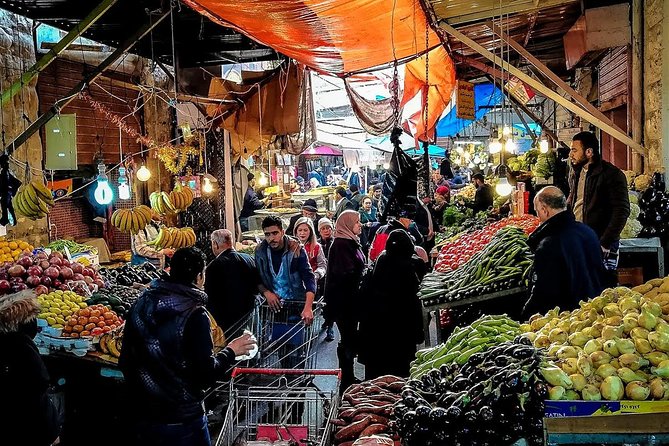
Souq el-Khodra, the vegetable market, is one of the most grounded parts of the walk. It is where you can see fresh fruit and vegetables sold in a setting that feels practical rather than staged for sightseeing.
Much of the produce is locally grown, and prices are described as lower than those in many Amman supermarkets. You may hear traders calling out to shoppers and singing or chanting to attract attention to their stalls. Your guide helps explain what you are seeing and may point out seasonal items that are unfamiliar to you.
This section is especially useful if you are staying in an apartment and plan to cook. You can learn where to buy ingredients, what local produce is in season, and how the market differs from a supermarket.
The drawback is that a produce market is not automatically exciting for everyone. If you expect a parade of grand buildings, this can feel ordinary. Its value comes from context and conversation, not from a single spectacular sight.
Same desert, a completely different kind of day:
- Amman: Petra, Wadi Rum, and Dead Sea 2-Day Tour
★ 4.9 · 1,173 reviews - 2-Day Tour: Petra, Wadi Rum, and Dead Sea from Amman
★ 5.0 · 1,141 reviews - From Amman: Petra & Wadi Rum Private or group Day Tour
★ 4.9 · 750 reviews - From Amman: Petra and Wadi rum Full day Tour
★ 5.0 · 538 reviews
Kunafa at Habibah Sweets
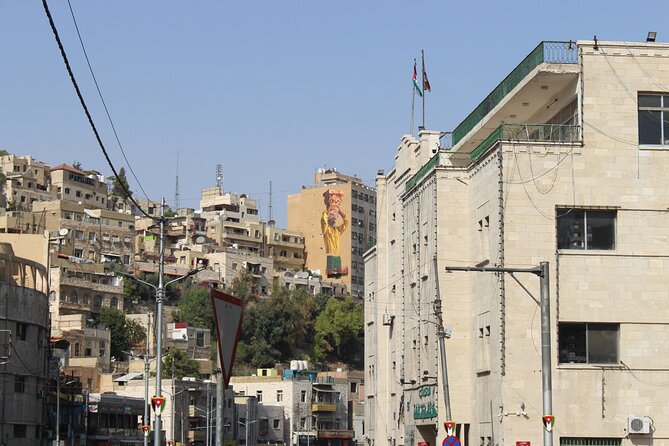
The food tasting at Habibah Sweets is one of the clearest highlights. You sample kunafa, a warm Jordanian dessert made with cheese, pastry, and sweet syrup. The Habibah family has been making it since the 1940s, so the stop carries both local flavor and a long-running Amman connection.
This is not a full meal. Think of it as a sweet pause during the walk. It gives your guide an easy way to explain Jordanian eating habits, dessert culture, and the role of old food businesses in downtown life.
The tour also includes bottled water and other food samples or street-food tastings. The exact samples can vary, so do not book this expecting a fixed tasting menu. The food is a bonus, but it also affects the price calculation. At $49 per person, the experience is easier to justify if you value a private guide plus tastings, not just a walk through streets you could reach on your own.
Basman Street’s shops and small discoveries
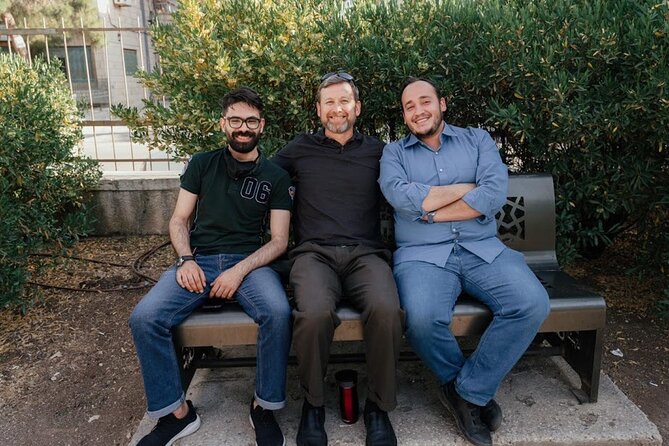
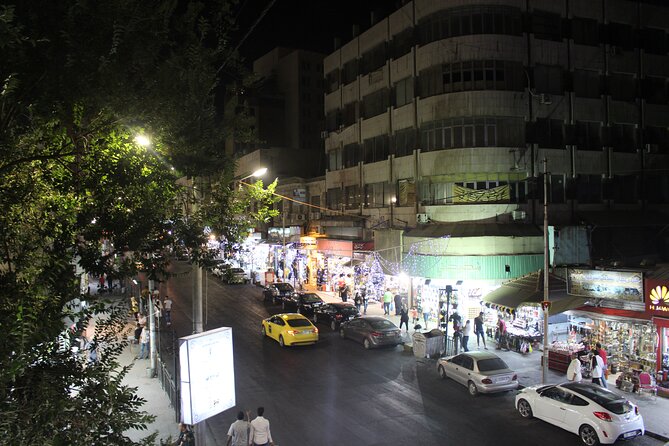
Basman Street brings the shopping side of the tour into sharper focus. You can visit spice shops, traditional clothing stores, perfume makers, souvenir sellers, and other small businesses.
A private guide is useful here because shops can be intimidating when you do not know local habits. Guides such as Orwah and Orwa have been praised for explaining negotiation techniques and helping visitors understand how to approach purchases. That does not mean every price will be reduced, but you can learn when bargaining is expected and when it is not.
You should be clear with yourself before arriving. If you want to browse and buy gifts, this section may be fun and practical. If you dislike shopping stops, the route may feel too commercial, particularly because several participants felt that the walk spent too much time in markets.
The guide can also point out products you might otherwise miss, from local spices to perfume ingredients. You are not required to buy anything. A polite refusal is enough if a shop is not your kind of place.
The Roman Theater, Nymphaeum, and Citadel from street level
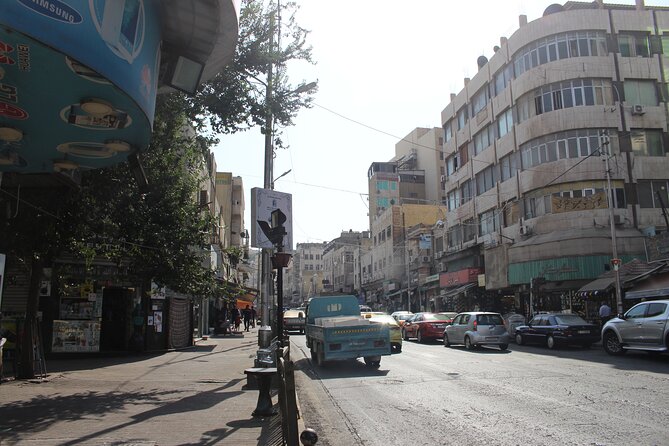
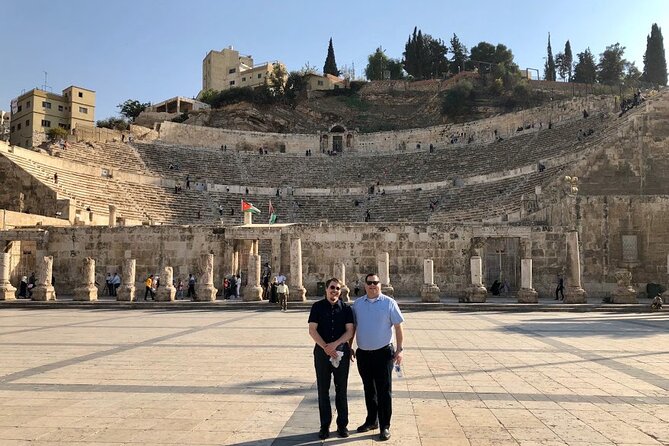
As the walk continues through Al Balad, you pass or view several of Amman’s best-known ancient sites. These include the Roman Theater, the Roman Nymphaeum, and the Amman Citadel.
The Roman Theater is one of the city’s most recognizable landmarks. The Nymphaeum, once part of the Roman city’s water system, gives you another clue to the scale and organization of ancient Amman. The Citadel rises above downtown and is one of the city’s essential archaeological stops.
But this tour does not include admission to these attractions. The guide may show you shortcuts, explain where they are, and help you plan a later visit. You should set aside separate time and budget if you want to walk through the theater or explore the Citadel grounds.
This arrangement has one advantage: you get oriented before tackling the sites on your own. You learn where they are in relation to the markets and can return with a better sense of the city. The disadvantage is that the experience can feel incomplete if the advertisement has led you to expect entry.
Jabal al Lweibdeh and the limits of the route
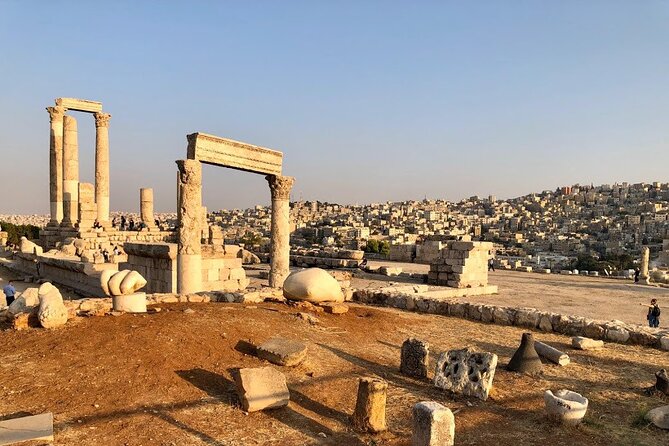
The experience is presented as covering downtown Amman and Jabal al Lweibdeh, a district known for its cafés, galleries, and creative atmosphere. The walk is intended to connect the old center with a more modern side of the city.
Still, keep your expectations measured. The detailed route and participant experiences point most strongly to Al Balad and its markets, rather than a long exploration of every part of Lweibdeh. The tour covers a limited area in a short period, and the pace can be quick.
If you want a relaxed neighborhood walk with plenty of time for photographs, shopping, and architecture, ask how much time will be spent in each district. The private format gives you a better chance of adjusting the focus, but there is only so much ground a two to three-hour walk can cover.
The guides and the private-tour advantage
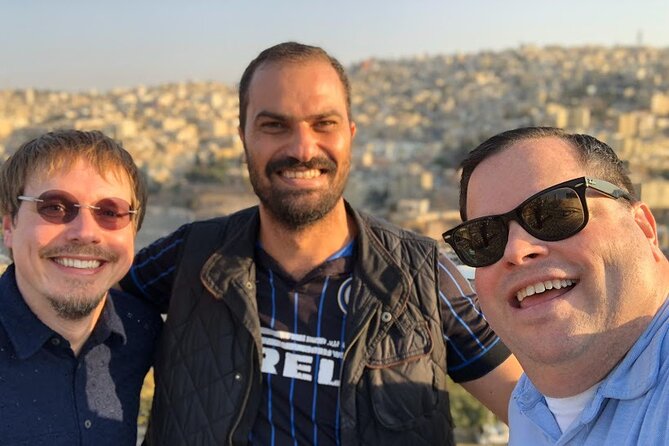
The most praised guides are Orwah and Orwa, with Ibrahim also receiving warm comments. Orwah is often described as friendly, funny, passionate about Amman, and generous with practical tips. His value seems to go beyond dates and names. He can help you plan the rest of your stay, understand local customs, find food, and handle shopping.
Guide assignment is not guaranteed, so you should not book solely on the expectation of one particular person. The important feature is the private arrangement. Only your group participates, and you can ask as many questions as you like without waiting for a large group to catch up.
That matters in Amman because the interesting information often comes from small questions. You may want to ask about Jordanian hospitality, the city’s different communities, food traditions, religious etiquette, or how to shop in the souqs. A private guide can follow your interests instead of delivering the same script to everyone.
The experience also suits solo visitors. One person who took the tour alone found the guide helpful for making sense of downtown. The route can be easier to manage with someone who knows the streets, especially when you are still getting used to Amman.
Is $49 per person a fair price?
At $49 per person, this is not a bargain if you measure value by monuments entered or miles walked. You do not receive admission to the Citadel or Roman Theater, and the route may last only about two hours rather than the full three.
The price makes more sense if you want a private introduction with food tastings, bottled water, and local guidance. You are paying for access to a person who can explain the markets, interpret customs, recommend places, and answer questions specific to your trip.
Group discounts may improve the calculation for larger private parties. The tour is booked, on average, about 21 days ahead, though confirmation is provided at booking and departure times are flexible. That range of start times helps you fit the walk around the Citadel, Roman Theater, or other plans.
Tips are not included. They are optional and appreciated for excellent service, not a required extra charge. You should also budget for personal purchases and your own transportation to the meeting point.
Timing, footwear, and practical expectations
The walk starts and ends at the Grand Husseini Mosque, though one arrangement ended closer to the Roman Theater. It is worth confirming the final drop-off point when you meet your guide, especially if you have a taxi or timed booking afterward.
Wear good walking shoes. Downtown streets and market lanes are not the place for flimsy sandals, and the fast pace noted by some participants may make the walk more tiring than the duration suggests.
The tour is near public transportation, and most people can take part. Service animals are allowed. No transportation to Amman is included, so you need to arrange your own way to the starting point.
Free cancellation is available if you cancel at least 24 hours before the local start time. Cancellations or changes made inside that window are not refunded or accepted.
Who should book this Amman walking tour?
I would choose this tour for a first day or first few days in Amman, especially if you want help with the city’s food, markets, and social customs. It is also a good fit for solo visitors, families, and small groups who prefer direct conversation over a large scheduled group.
It suits you if you like:
- Food samples and local shopping streets
- Market life more than formal museums
- A private guide who can adjust the conversation
- Tips for negotiating and planning the rest of your Jordan visit
- A quick orientation before visiting the main archaeological sites
I would choose another experience if you mainly want ancient monuments, architecture, or detailed archaeological explanations. You can still use this walk as an introduction, but plan a separate visit to the Citadel and Roman Theater.
Should you book it?
Book it if you want to understand downtown Amman through its markets, food, shops, and people. The guide’s local advice is the main value, and the private format gives you room to ask practical questions that a standard sightseeing tour might skip.
Skip it if $49 feels high for a short market walk or if you expect entry to the Roman Theater, Citadel, or Duke’s Diwan. The clearest way to get your money’s worth is to schedule it early in your stay, use the guide’s advice for the days that follow, and visit the major ancient sites separately.
FAQ
How long does the private walking tour in Amman last?
The tour lasts approximately two to three hours.
Where does the tour begin?
It begins at the Grand Husseini Mosque on King Talal Street in Amman.
Where does the tour end?
The stated end point is back at the meeting point. Confirm this with your guide, since one arrangement ended near the Roman Theater.
Are the Amman Citadel and Roman Theater included?
No. The guide passes by or points out the Amman Citadel, Roman Theater, and Roman Nymphaeum, but admission and visits inside those sites are not included.
Is food included?
Yes. The tour includes food samples and street-food tastings, including kunafa at Habibah Sweets. Bottled water is also included.
Is this a private tour?
Yes. Only your group participates, and the itinerary can be customized.
What happens if I cancel?
You receive a full refund if you cancel at least 24 hours before the experience starts. Cancellations or changes made less than 24 hours before the start time are not accepted and are not refunded.
Just added around Amman
- From Amman :Private full day tour to Jerash ,Ajoune and Um Qais★ 5.0 · 12 reviews
- Queen Alia Airport Transfers From / To Amman, Petra, Dead Sea.★ 5.0 · 3 reviews
- 2-Day Private Tour in Jordan – Deluxe Tent★ 5.0 · 9 reviews
- airport pick up & transportations Services★ 5.0 · 15 reviews
- From Amman to West ( Madaba, Mt Nebo, baptism site and dead sea)★ 4.0 · 5 reviews
- Dead Sea Half-Day Tour from Amman★ 5.0 · 8 reviews
- Umm Qais, Ajloun and Jerash Full-Day Tour from Amman★ 5.0 · 4 reviews
- FROM AMMAN | Petra & Wadi Rum in one day | The Jordanian Mappers★ 5.0 · 12 reviews
Walking Tours, compared.
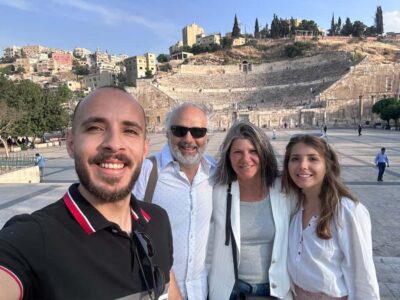
Amman Walking Tour: Hidden Gems, Culture & Street Food
Read our review →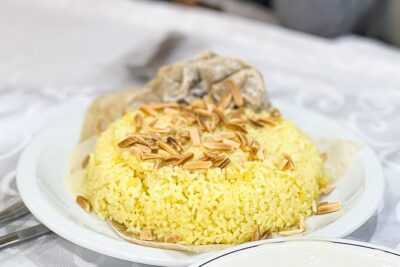
Amman Food Tours: 3-Hours Guided Walking Food Tour in Amman
Read our review →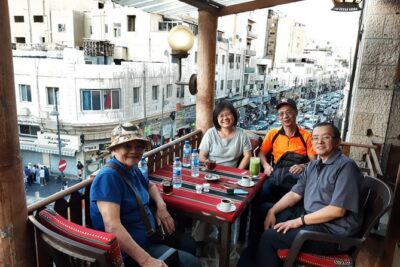
Private Street Food and Walking Tour Amman Downtown
Read our review →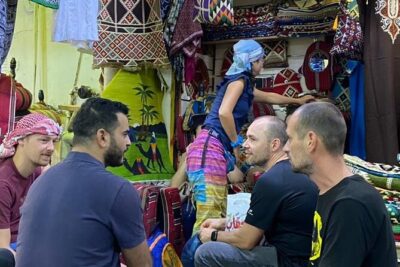

Day or Night Walking Tour in Downtown With Local
Read our review →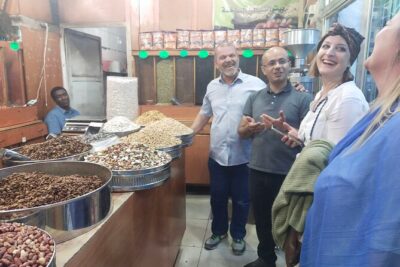
Walking Tour, Visit the Old Town and Markets, Taste Food
Read our review →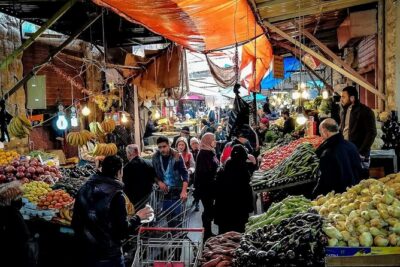
Browse the lists this tour appears in